What happens during treatment
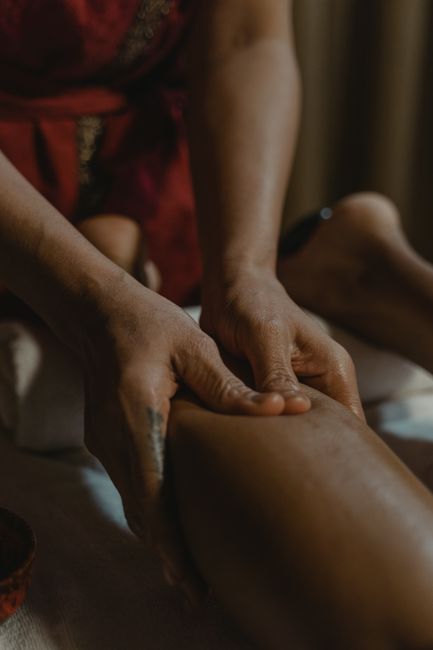
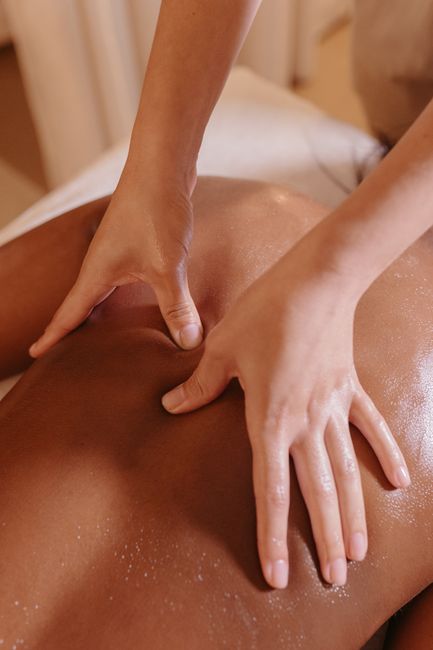
This focused session works the deeper layers of muscle and connective tissue through sustained, targeted pressure and myofascial release techniques. Therapists layer therapeutic aromatherapy and warm stones on key areas to help tissues release more readily. The experience is allotted 90 MINUTES so the clinician can sequence focused work and relaxation.
Clients should expect a deliberate pace: therapists work a specific area until tension reduces, then move to adjacent regions. You’ll be guided to give feedback about pressure and comfort throughout. The combination of breath, sustained pressure and temperature from stones helps therapists access deeper knots while maintaining client safety and comfort.
Who benefits most from it
Deep Tissue 90 Minutes is aimed at people with persistent postural tension, repetitive-use soreness or athletic stress that hasn’t responded to gentler modalities. Local commuters and outdoor enthusiasts from the Moncks Corner area who spend long hours driving or doing repetitive tasks often find the focused approach helpful for loosening chronically tight muscle patterns.
Because the work is intentionally deep, it can feel intense during treatment and you may have temporary soreness afterward. Communicating with your therapist about pressure and pain tolerance is essential. The service is scheduled long enough to address multiple areas in a single visit, reducing the need for back-to-back appointments.
Preparing and aftercare tips
Arrive a few minutes early so you can complete intake details and mention any recent injuries or conditions. Wear loose, easy-to-remove clothing and drink water beforehand; the humid subtropical climate around Moncks Corner can make hydration especially important. Our location on US-52 is convenient for commuters returning from Charleston or nearby towns.
After the session, plan gentle movement and continued hydration rather than intense activity. You may notice good relief or temporary tenderness for a day or two; simple stretches and rest often help. If you have specific medical concerns, consult your healthcare provider before booking and let your therapist know during intake.